Skip to content
EN/ES
Home

Botanicaltrail

Scan each plaque and learn the story of the species that share these grounds with us.

  • 11 stops in the park
  • 5 native
  • 6 introduced
  1. Stop 1Native

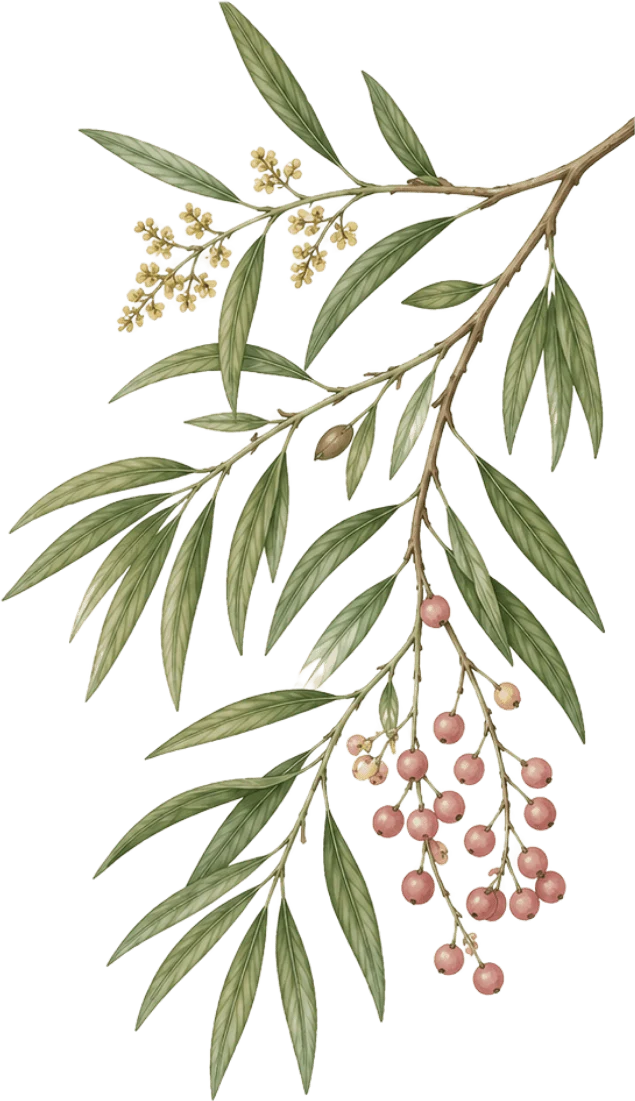
    Molle

    Schinus molle

    Native tree of great cultural and environmental value. Its aromatic leaves and pink berries make it one of the most distinctive species of the Quebrada.
  2. Stop 2Introduced

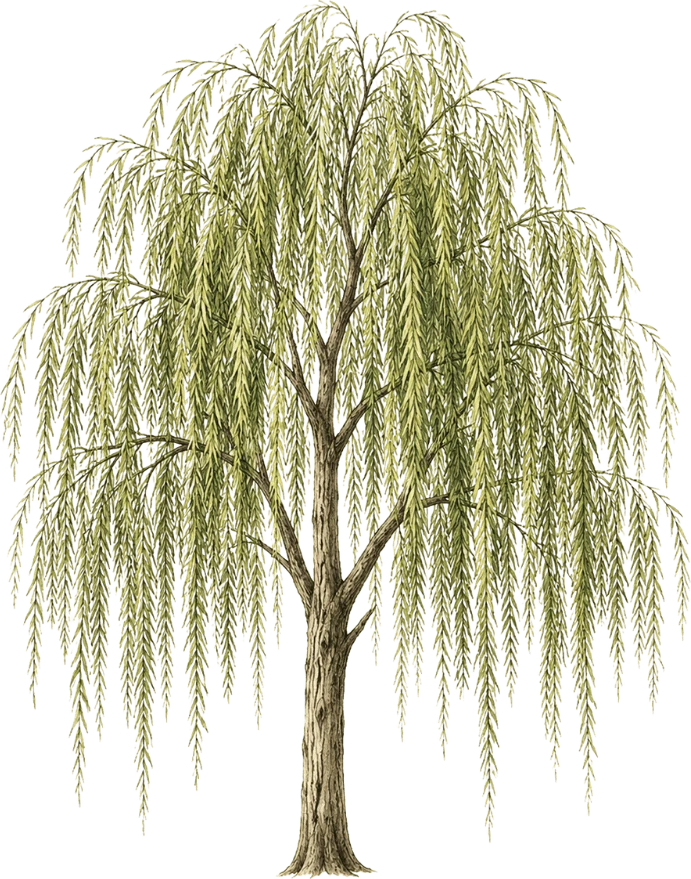
    Weeping willow

    Salix babylonica

    Ornamental tree with broad, drooping branches that provides shade and freshness.
  3. Stop 3Native

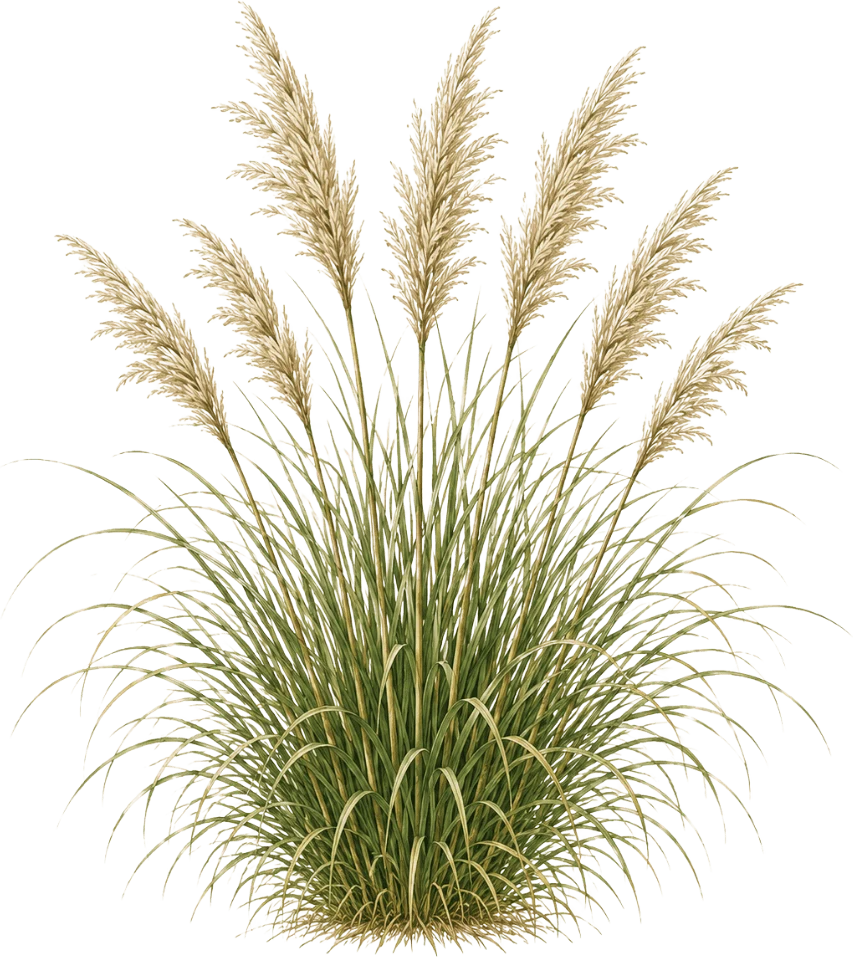
    Pampas grass

    Cortaderia speciosa

    Native grass with pale plumes that helps protect the soil.
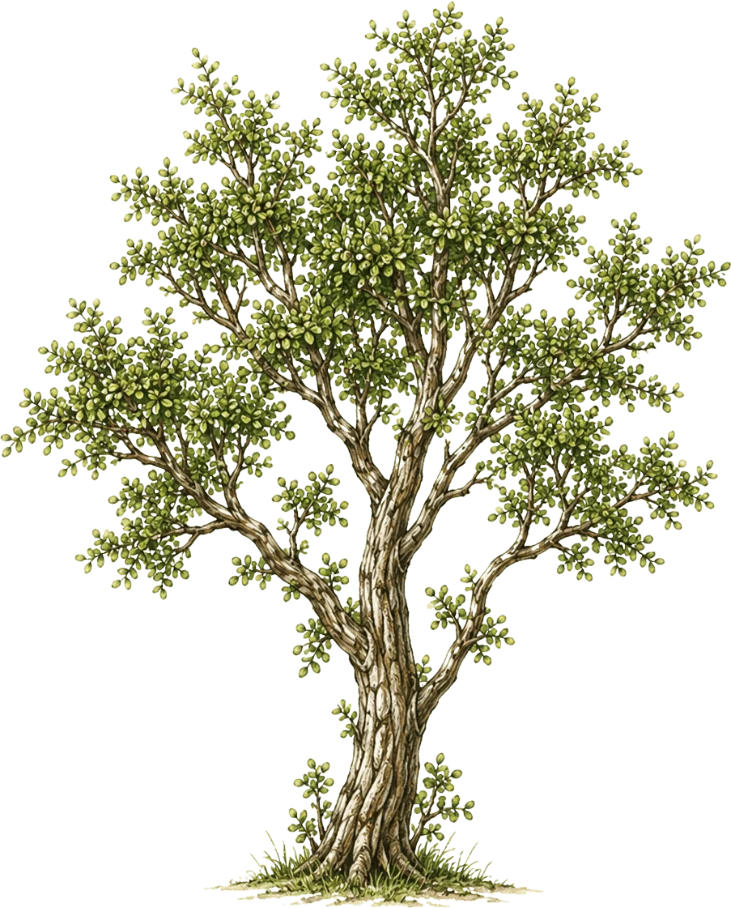
  4. Stop 4Native

    Queñoa

    Polylepis spp.

    Native high-Andean tree adapted to cold and altitude.

  5. Stop 5Introduced

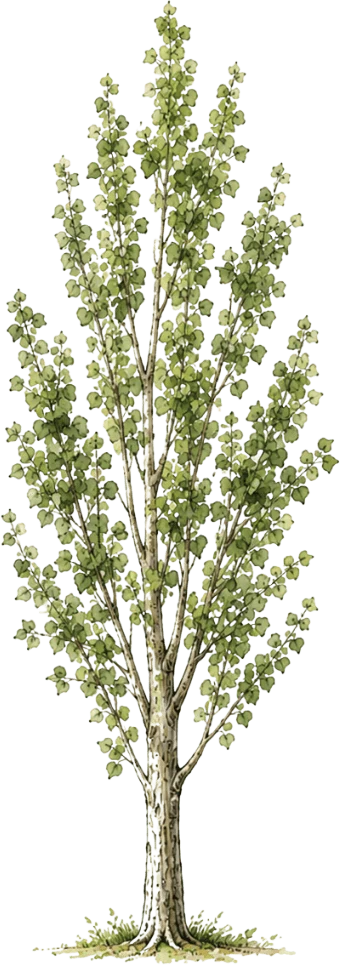
    Poplar

    Populus spp.

    Fast-growing tree traditionally used as a windbreak and for shade.
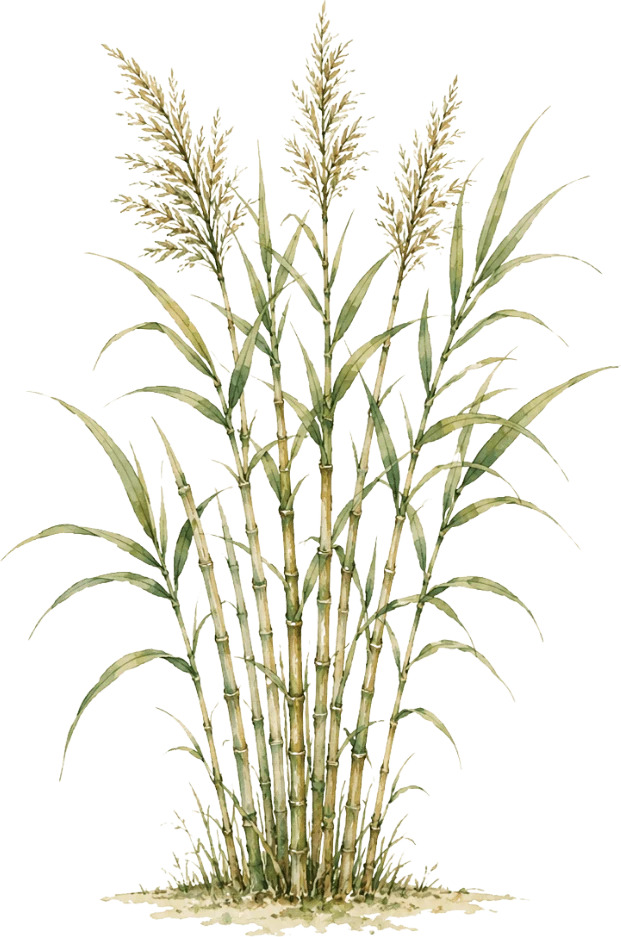
  6. Stop 6Introduced

    Castile cane

    Arundo donax

    Tall, hardy plant commonly found near irrigation channels.

  7. Stop 7Introduced

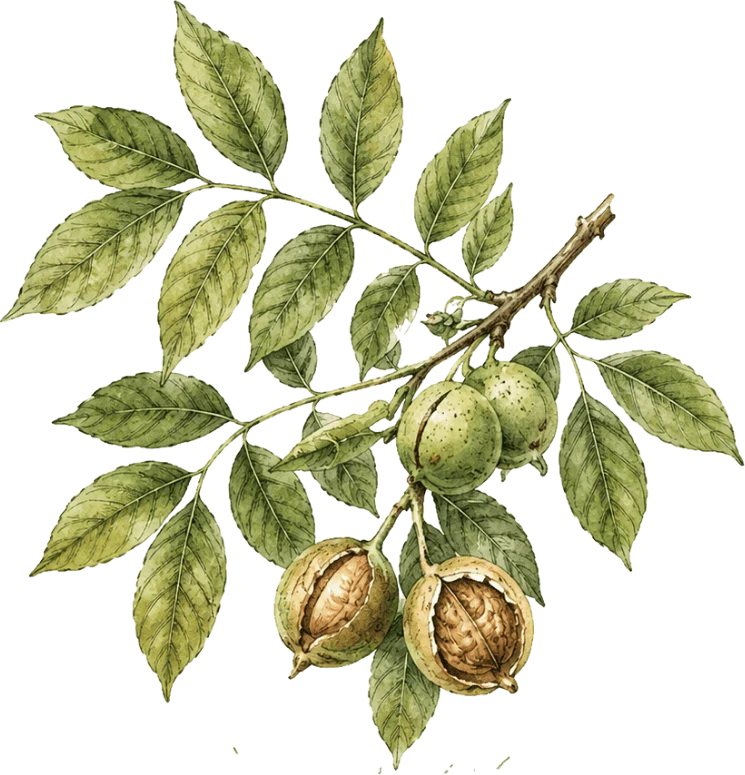
    Walnut tree

    Juglans regia

    Tree highly valued for its shade and nuts, typical of family courtyards.
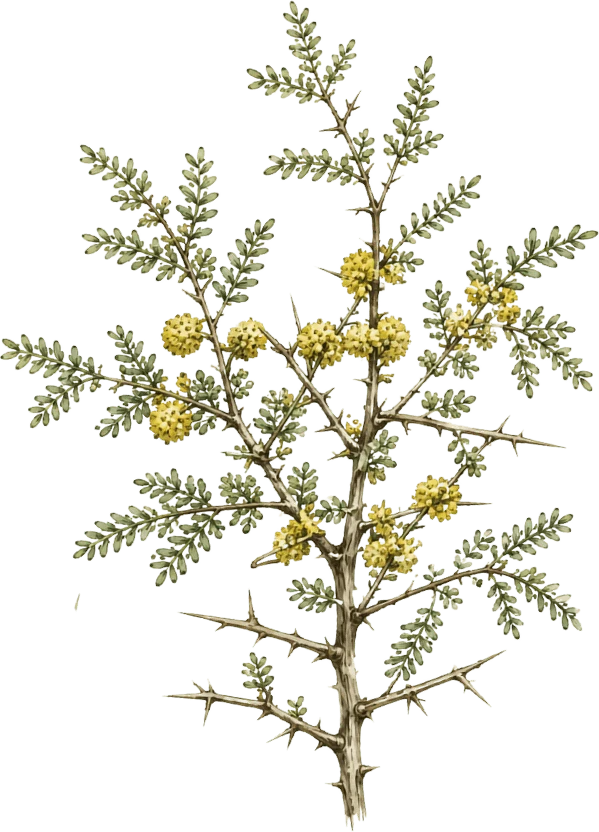
  8. Stop 8Native

    Churqui

    Vachellia spp.

    Native thorny tree of dry environments that enriches the soil.

  9. Stop 9Native

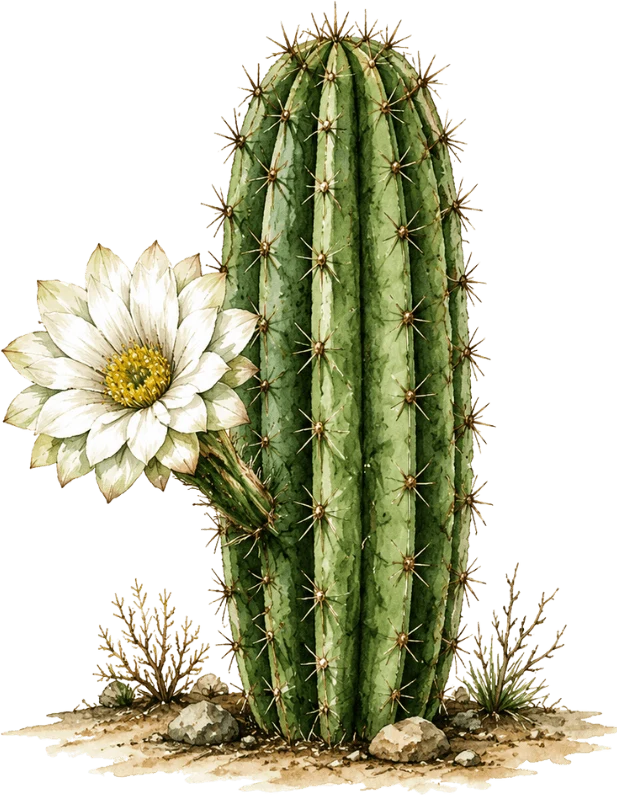
    Cardón

    Echinopsis atacamensis

    Giant native cactus, symbol of the Quebrada and the Puna.

  10. Stop 10Introduced

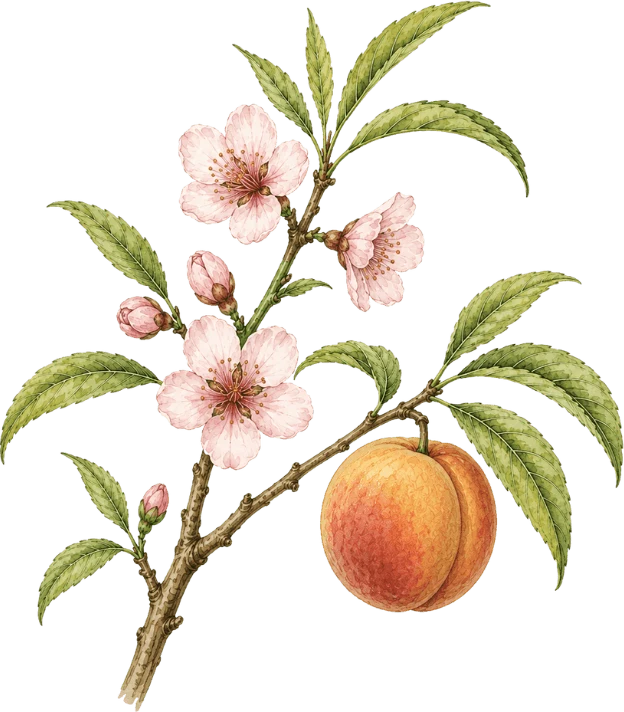
    Peach tree

    Prunus persica

    Traditional fruit tree with sweet, aromatic fruit.

  11. Stop 11Introduced

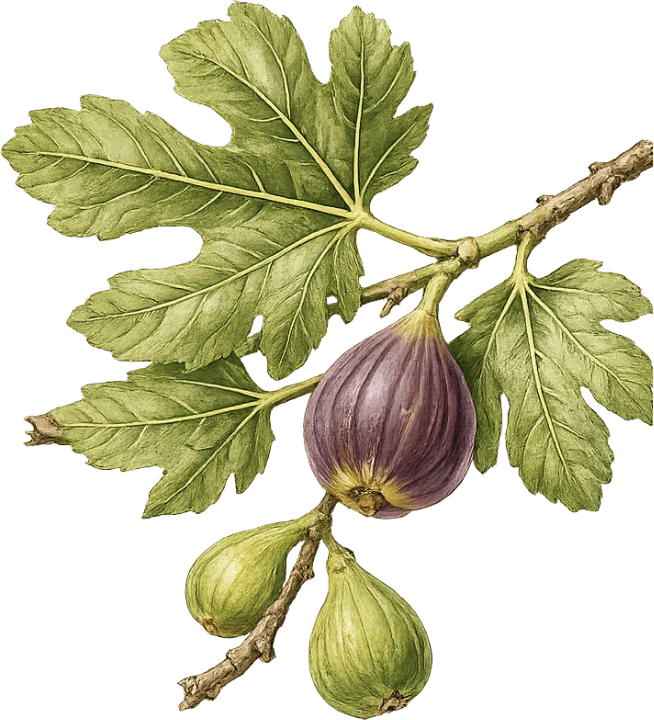
    Fig tree

    Ficus carica

    Fruit tree highly valued for its figs and broad shade.